
WILDLIFE HOLIDAYS
Close wildlife encounters
It’s been almost 30 years since we took our first travellers to the Galapagos Islands so we like to think we know a thing or two about wildlife holidays.
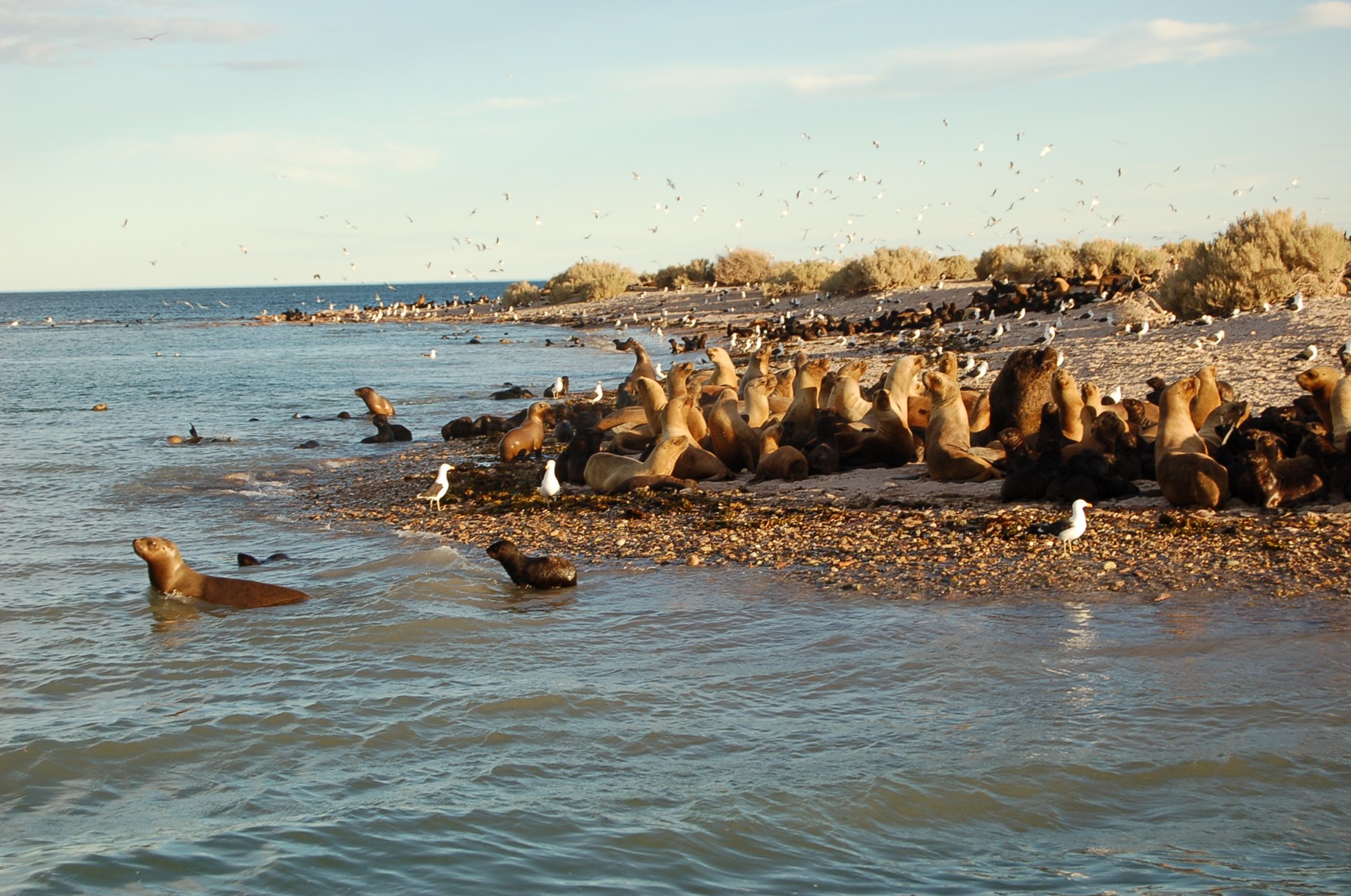
These days we’re lucky enough to cover the entire spectrum of Latin America’s varied wildlife destinations. Whether you want to discover the colourful tropical birds in Costa Rica, search for jaguars in the Pantanal, swim with sea lions in the Galapagos or dance with emperor penguins on the Antarctic, with our resources on the ground we can arrange it.
We know that one of the elements that really make a trip is the guides. A bad guide can ruin a trip. That’s why we use local people (sometimes complimented by expert tour leaders), usually born in the area and knowing those hidden wildlife spots that will make your journey spectacular.
We work closely with our clients to find out what they are looking for and design a trip which encompasses everything they ask for and usually more.
Central America Explorer – Guatemala, El Salvador & Nicaragua

Explore the beauty of Central America with this 18-day journey by Select Latin America. Visit Guatemala’s rich culture, stunning landscapes, and ancient Mayan ruins. Continue to El Salvador’s scenic mountains, colonial gems and nature reserves. Finally step back in time to Nicaragua’s historical cities, volcanoes and Pacific coast.
Winged Gems & Wild Moments

A photographic adventure into the heart of Ecuador. From high-altitude paramo landscapes to lush cloud forests, you’ll capture dazzling hummingbirds, elusive antpittas, and the majestic Andean Condor. With expert guidance and thoughtfully chosen lodges, this tour blends world-class birding and wildlife photography. Each frame tells a story—and every moment is yours to keep.
Patagonian Fjords, Glaciers & City Wonders

Discover Argentina and Chile’s vibrant capitals and Patagonia’s breathtaking wilderness. Experience Buenos Aires’ tango spirit and Santiago’s cultural blend. Marvel at Perito Moreno Glacier, hike Torres del Paine, and meet penguins on Magdalena Island. Cruise fjords, enjoy a lamb BBQ at a remote estancia, with expert guidance and premium stays.
Costa Rica Birding Odyssey

Discover Costa Rica from mist‑draped highlands to remote wetlands, lush rainforests and the rich Pacific lowlands. Designed for nature lovers and keen birders, the route offers exceptional opportunities to encounter iconic species such as the Resplendent Quetzal, scarlet macaw and countless hummingbirds. With expert guiding and characterful lodges throughout, this is a richly layered exploration of Costa Rica’s wild heart.
Bears & Birds of the Andes

Ecuador is rich in wildlife, including the spectacled bear, also known as the Andean bear. We have found a spot where they eat, rest and climb trees. We’ve studied their habits to help lucky travellers see them. We know where they hang out, ensuring the best chances to watch and photograph these playful animals. To complement this, a trip to the Mindo Choco Bio-Region offers a unique chance to see amazing tropical birds from toucans to cock-of-the-rock.
Amazon & Islands
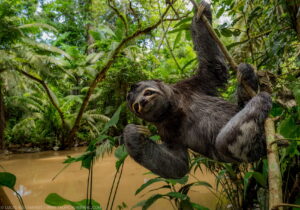
Visit the two best natural regions of Ecuador – the mighty Amazon and the fabled Galapagos Islands. The Amazon is home to myriad colourful birds and other wildlife. Explore the primary forest from the comfort of a luxury lodge. Get up close to sloths, monkeys and even anacondas. Take canoe rides, hike through the forest and climb tree towers. Spend seven days in the Galapagos Islands on board the Beluga Yacht. The Galapagos is home to giant tortoises and iguanas, who seem to be from another age. The islands have fascinating underwater life, so grab a snorkel. Explore Quito, Ecuador’s capital nestled among the volcanoes of the Andes.
Andes & Galapagos
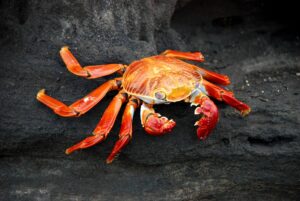
Experience the nature and culture of Ecuador and the Galapagos. Marvel at the lush Mindo cloud forest, waterfalls, butterflies and hummingbirds. Explore the world-famous Otavalo Market. Bargain for paintings, ceramics, jewellery, tapestries and more. Hike around Cuicocha Crater Lake within the Andes. Fly to the enchanted Galapagos Islands for a land-based tour. Enjoy a week of nature and wildlife, snorkelling through lava tunnels, meet giant tortoises, iguanas, sea lions and a variety of marine life, and learn about the history of the archipelago.
Andes & Galapagos
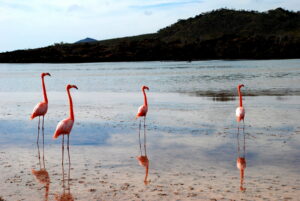
Experience the nature and culture of Ecuador and the Galapagos. Marvel at the lush Mindo cloud forest, waterfalls, butterflies and hummingbirds. Explore the world-famous Otavalo Market. Bargain for paintings, ceramics, jewellery, tapestries and more. Hike around Cuicocha Crater Lake within the Andes. Fly to the enchanted Galapagos Islands for a land-based tour. Enjoy a week of nature and wildlife, snorkelling through lava tunnels, meet giant tortoises, iguanas, sea lions and a variety of marine life, and learn about the history of the archipelago.
Hummingbirds & Turtles
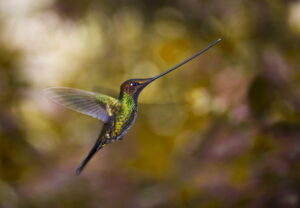
A whistle-stop tour of Ecuador’s highlights. Includes bird watching in the misty slopes of the Andean cloud forest, exploring the colourful wares and the indigenous market of Otavalo and getting up close to fascinating wildlife in the Galapagos Islands. Experience Galapagos on a small catamaran. Ecuador’s biodiversity never ceases to amaze.
Wild Costa Rica
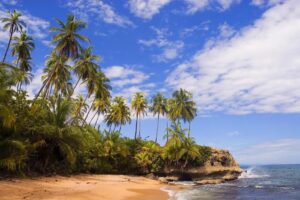
Visit Costa Rica’s natural areas from coast to coast. From San Jose, head to Manzanillo for the wild tropical Caribbean coast. Then to an eco-lodge in Tortuguero. Head up near the Poas volcano and the cloud forests of Bajos del Toro. Spend a few days in the South Pacific at Uvita and then in Drake Bay near the remote Corcovado Peninsula.
Ultimate Luxury Galapagos & Ecuador
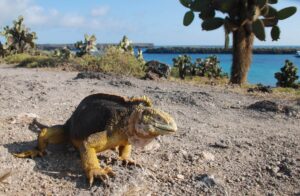
Visit the Andes of Ecuador from luxury boutique hotels. Explore local indigenous villages, bargain in markets, and spend two nights in a beautiful hacienda. Fly to the Galapagos Islands to spend five days getting up close to some fascinating wildlife from a land-based luxury lodge. Due to its central location in the Archipelago, Santa Cruz Island is close to the most interesting islands, secluded white sandy beaches and wildlife.
Ultimate Luxury Galapagos & Ecuador
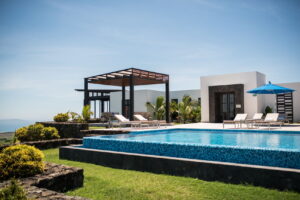
Visit the Andes of Ecuador from luxury boutique hotels. Explore local indigenous villages, bargain in markets, and spend two nights in a beautiful hacienda. Fly over to the Galapagos Islands to spend five days getting up close to some fascinating wildlife from a land-based luxury lodge. Due to its central location in the Archipelago, Santa Cruz Island is close to the most interesting islands, secluded white sandy beaches and wildlife sites of the Galapagos National Park.
Quetzals & Hummingbirds – Costa Rica
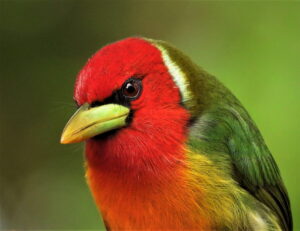
A 12-day birding extravaganza to five key regions of Costa Rica. From San Jose to the Caribbean side, then San Gerado in the highlands, the NE Pacific dry forest to the swamps of the Central Pacific. You will be taken around in air-conditioned comfort with expert guides and stay at charming hotels.
The Long Way Down

Take a journey from the arid Atacama Desert to the tasty wine producing region of Colchagua valley to the snow-capped peaks of Patagonia. This enthralling journey from North to South Chile will give you the opportunity to explore the most spectacular areas of this long, narrow country from desert to glacier.
Easter Island To Atacama
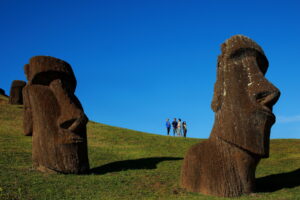
Experience the cultural and natural wonders of Chile. From the mysterious statues of Easter Island to the bizarre landscapes of the desert. The Rapa Nui people crafted the giant rock Moai statues that dot the landscape. Hike up the island’s volcanoes to take in views of the endless Pacific, explore the archaeological treasures. Back on the mainland, visit Santiago, the port of Valparaiso, and wine valleys. In the Atacama, see otherworldly landscapes. Be amazed by steaming-hot geysers, timeless lunar valleys, highland lagoons, volcanoes, and some of the most spectacular night skies on the planet.
Natural Costa Rica
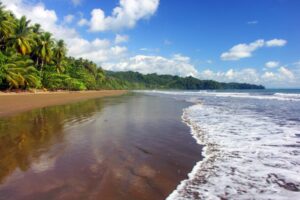
A circuit around Costa Rica visiting five key areas for nature and culture. From San Jose head to Turrialba to experience tropical nature and ancient culture. Then to an eco-lodge in Sarapiqui lowland forest. Head up to Arenal Volcano and the cloud forests of Monteverde and canopy walkways. After all this activity and adventure spend some days of R n’ R on the glorious beaches of Manuel Antonio.
Birds Of Chile – Atacama To Patagonia
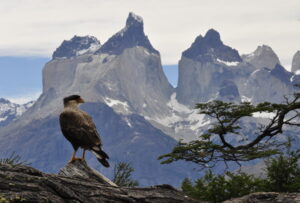
A trip through the breath-taking landscapes of this long and narrow country. From the Andean High Plateau to the windy steppes of Patagonia and Tierra del Fuego. Between these two extremes lie the fertile valleys, the temperate rainforest of the Lakes region and the archipelago of Chiloé. Travel 4.300 kilometres along spectacular natural landscapes lead by the expert professional birding guides.
Ecuador Birding East and West Andes
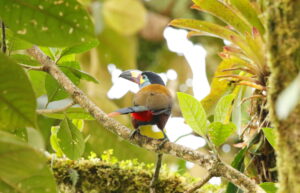
A birding journey starting in Quito and driving west through the Andes, to the birding paradise of Mindo. Spend three full days exploring the region, spotting hummingbirds, antpittas, umbrellabirds and the inimitable cock-of-the rock. Travel back to the highlands. Visit the volcano of Antisana and see condors. Then head to the eastern lowlands for sub-tropical species and the headwaters of the Amazon.
Amazon, Incas & Condors of Peru
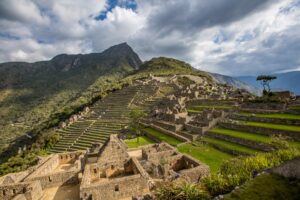
Want to see Peru in style? During this journey you will stay in some of Peru’s most chic accommodation, including a night at the stunning Inkaterra Machu Picchu. You’ll be visiting the countries best regions and cities including Lima, the Amazon, Cuzco, the Sacred Valley, Machu Picchu, Lake Titicaca, Colca Canyon and Arequipa.
Classic Antarctica

Excellent wildlife and geology expedition cruise to the Antarctic Peninsula & South Shetland Islands on board the wonderful M/V Ushuaia. Knowledge polar guides accompany you to make the most of your trip.
Classic Antarctica Air Cruise
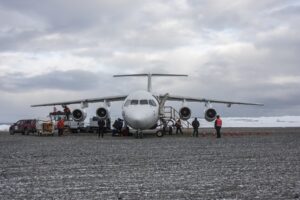
This is the perfect Antarctic cruise for those with limited time. Takes flights to and from the Antarctic to save the Drake Passage crossing. Visit the South Shetland Islands, Paulet Island, Hope Bay, Port Lockroy, Petermann Island, Paradise Bay, Deception Island, the Lemaire Channel, or many other magnificent places.
Incas & Iguanas
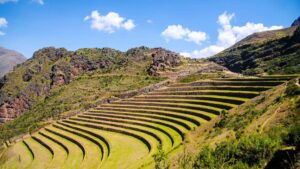
A classic journey through both Peru’s most interesting regions including Lima, Cuzco, the Sacred Valley and Machu Picchu and eight days spent getting up close to wildlife on a small boat cruise in the Galapagos Islands. Visit two of the most iconic places in South America, with expert local guides for culture and wildlife.
The Full Galapagos

Spend two-weeks exploring the entire Galapagos archipelago on a small boat with an expert local guide, friendly attentive crew and no rush. This tour is ideal for those who want to maximize the time in the islands on a good value no-frills motor sailing yacht.
Galapagos Birding Island Hopping

Spend a week Island hopping the Galapagos with a bird expert. You will be in good hands with our bird leader and a local Galapagos guide. There is a good chance to spot most of the endemic species. The tour stops on three main islands of San Cristobal, Isabela and Santa Cruz and visits Española and Floreana. The trip has been carefully designed to maximize sightings.
Condors & Tortoises
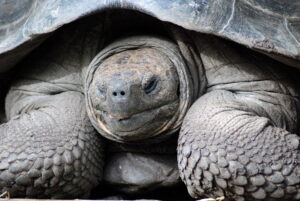
A classic journey starting in city of Quito and driving north to the famed market town of Otavalo. Try bartering in the poncho plaza, walk by crater lakes and volcanoes of northern Ecuador. Stop to enjoy Quito, the first UNESCO cultural world heritage site. Then head south through the Avenue of Volcanoes, visiting Cotopaxi National Park, linger at lush tropical waterfalls near Baños and wander through Inca ruins at Ingapirca. Marvel at the spectacular snow-capped Andean scenery. Absorb the history of beautiful colonial Cuenca and the highland wilderness of Las Cajas National Park. Spend the following week discovering the rich wildlife of the Galapagos Islands from the tall-mast sailing ship, the Mary Anne.
Antarctic Circle Voyage
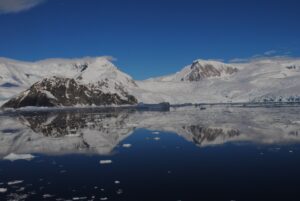
An extended 14-day voyage, charting a course directly south to the Antarctic Circle at 66°33°S. The further south you go the more sea ice you will find. This is an expedition that very few vessels can take. The Seaventure is a modern, ice-strengthened vessel.
W Trek
A classic five day hiking and glamping tour along the iconic W Trek in the spectacular Torres del Paine National Park in Chile’s southern Patagonia. The W trek is a legendary hike covering approximately 80 km over 4-5 days. The trek features stunning landscapes, including Grey Glacier, the dramatic French Valley, and the breathtaking Base Torres lookout. From lush forests to rugged mountains. It’s a must-do for nature lovers seeking to explore some of Patagonia’s most spectacular scenery.
Brazilian Safari
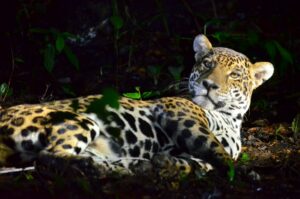
Experience Brazil’s best wildlife spots in the Amazon and Pantanal. Stay in lodges in the three finest places for tropical nature in Brazil and probably in Latin America: the archipelagos of the Amazon, the northern Pantanal wetlands and Alta Floresta of Mato Grosso. Take boat rides to spot jaguars and caimans. Hike to spot monkeys and macaws. Climb tree towers to get a birds-eye view of sloths in the canopy.
Baja Whale Watching

“We want to go to Mexico and have the security of it all being organised for us with the very best hotels and guides. We also want the freedom to explore its great beaches and wildlife, as well as have a taste of its Latin lifestyle, what can you suggest?”
Whales & Welsh – In Patagonia
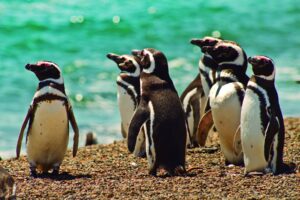
For lovers or nature and wildlife, this eleven day trip through the Valdes Peninsula and Argentine Lake District is perfect. Spot wildlife including Southern rights whales off the Peninsula and hike through the natural surroundings of Bariloche.
