
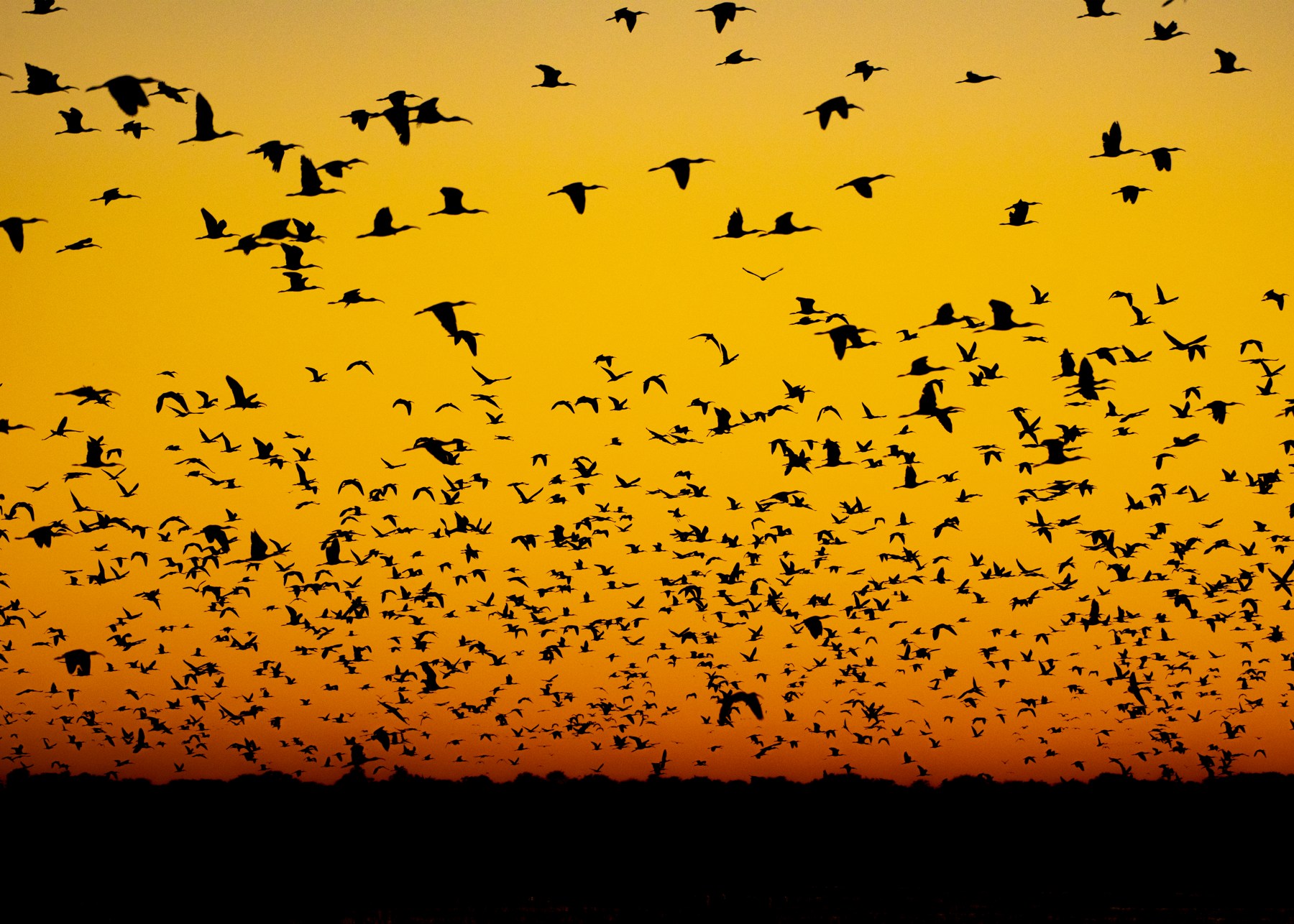
Argentina
Argentina is larger than life: parts feel like the Wild West, yet the sophistication of Buenos Aires rivals Paris
Holidays to Argentina are limited only by time and imagination. One day you can be watching the most impressive waterfalls in the world, the next you could be hiking over a glacier. Towards the border with Chile sits Aconcagua, the highest peak in the Western hemisphere and the stunning landscape and wildlife rich regions of Patagonia, the Pampas and Ibera add nature at its best to the mix.
Our Latin America travel experts are at hand to offer you help and advice on where to go on your own perfect Argentine tour, we can show you how much more Argentina has to offer on a tailor-made luxury holiday. We can show you where to learn to tango in Buenos Aires, horse ride like a gaucho in the pampas, raft on white-water, trek in the Andes or cycle through a vineyard.
The capital city of Buenos Aires is one of the most cosmopolitan cities in the world and definitely one of the most welcoming, the wealth of history and culture make this a must see and perfect way to ease you into your Argentine adventure.
Way down South, explore Patagonia with endless blue skies and tales of bandits and Indian heritage. Waves of immigrants from Wales, England and Italy have blended this land of pioneers into a proud country. There are plenty of natural wonders to see, good places to stay and excellent wine to enjoy.
Those interested in wildlife holidays should head for the Valdés Peninsula where killer whales chase seal pups up the beach or the far south where penguins can be seen nesting. You can bird-watch throughout the wilder regions like Patagonia and the Ibera wetlands. The tropical forests are home to myriad butterflies and hummingbirds and giant storks, anacondas and capybaras dwell in the Iberá marshes.
The family-run estancias take in guests and teach you a few cowboy skills as you help round up cattle or sheep with traditional Gauchos. After rounding up the cattle you may be a little hungry and the Argentine steaks are legendary, best served with a glass of local Malbec.
The adventure is there for the making.
When to go:
This depends on the region: In the north-east the climate is pleasantly sub-tropical all year round. Buenos Aires can be visited all year (but is very hot in January and February). The autumnal colours of the Lake District are magnificent around April. You can Ski from June to September in the far South. Tierra del Fuego ranges from cold temperate and is warmer in the Southern summer - December to March.
All our tailor made Argentina holidays are individually designed, but as a guide we can arrange a 12 day itinerary from £3,500 including flights
Guides:
Buenos Aires
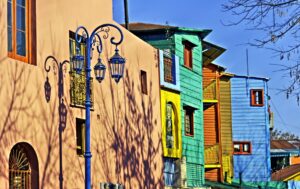
Latin America’s most cosmopolitan city with wide tree-lined boulevards, fascinating museums and fine dining that wouldn’t be out of place in London or Paris
Cordoba
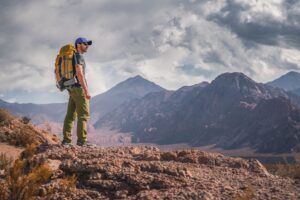
Less hectic and touristy than Buenos Aires but just as vibrant. A visit to the Jesuit estancias nearby are an absolute must
El Calafate & El Chalten
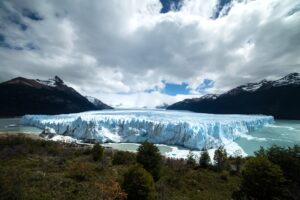
Best for those who like outdoor pursuits. Trek through the wonderful scenery of snow-capped mountains, crystal clear lakes and glaciers
Ibera Wetlands
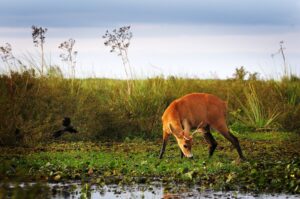
A wildlife haven, full of butterflies, capybaras, deer, anacondas and nearby four hundred species of birds who love this marshy lagoon
Iguazú Falls
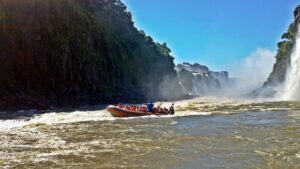
One of the seven natural wonders of the world and not something to be missed lightly. Hear the thunder and feel the spray of water from the Devil’s Throat walkway
Lake District
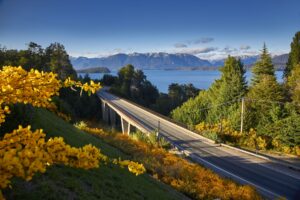
The South American version of Switzerland, with dramatic scenery, excellent skiing and chalet-style chocolate shops and fondue restaurants
Mendoza & The Central Valley
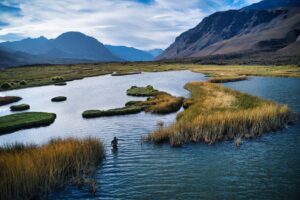
One of the world’s great wine producing regions producing renowned Malbec’s. Don’t miss out on the trekking in the nearby National Parks
Salta & The Northwest
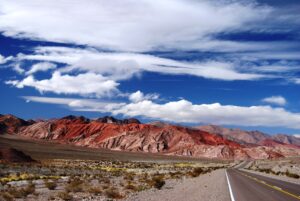
Meet poncho clad indigenous people who weave and spin as their forefathers did in the striking terracotta tinted landscapes of the Northwest
Ushuaia & Tierra Del Fuego
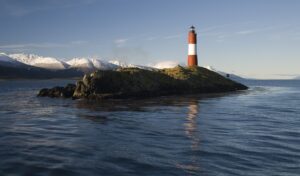
The end of the world! Spectacular setting between the mountains and the Beagle Channel and the hopping on/off point for our expeditions to the Antarctic
Valdés Peninsula
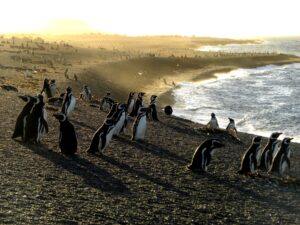
Unmissable wildlife encounters, from colonies of sea lions, penguins and seals to orcas that come to feed near the shore
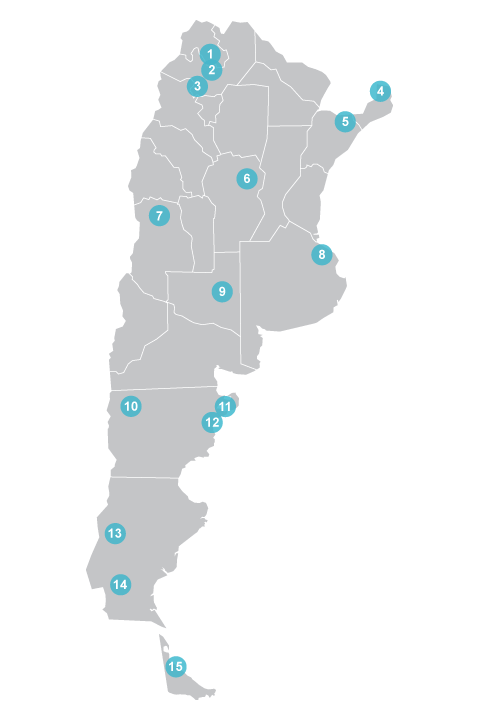
1. Jujuy
2. Salta
3. Cafavate
4. Iguazu Falls
5. Ibera Wetlands
6. Cordoba
7. Mendoza
8. Buenos Aires
9. The Pampas
10. Bariloche
11. Valdes Peninsula
12. Puerto Madryn
13. El Calafate
14. El Chalten
15. Ushuaia