
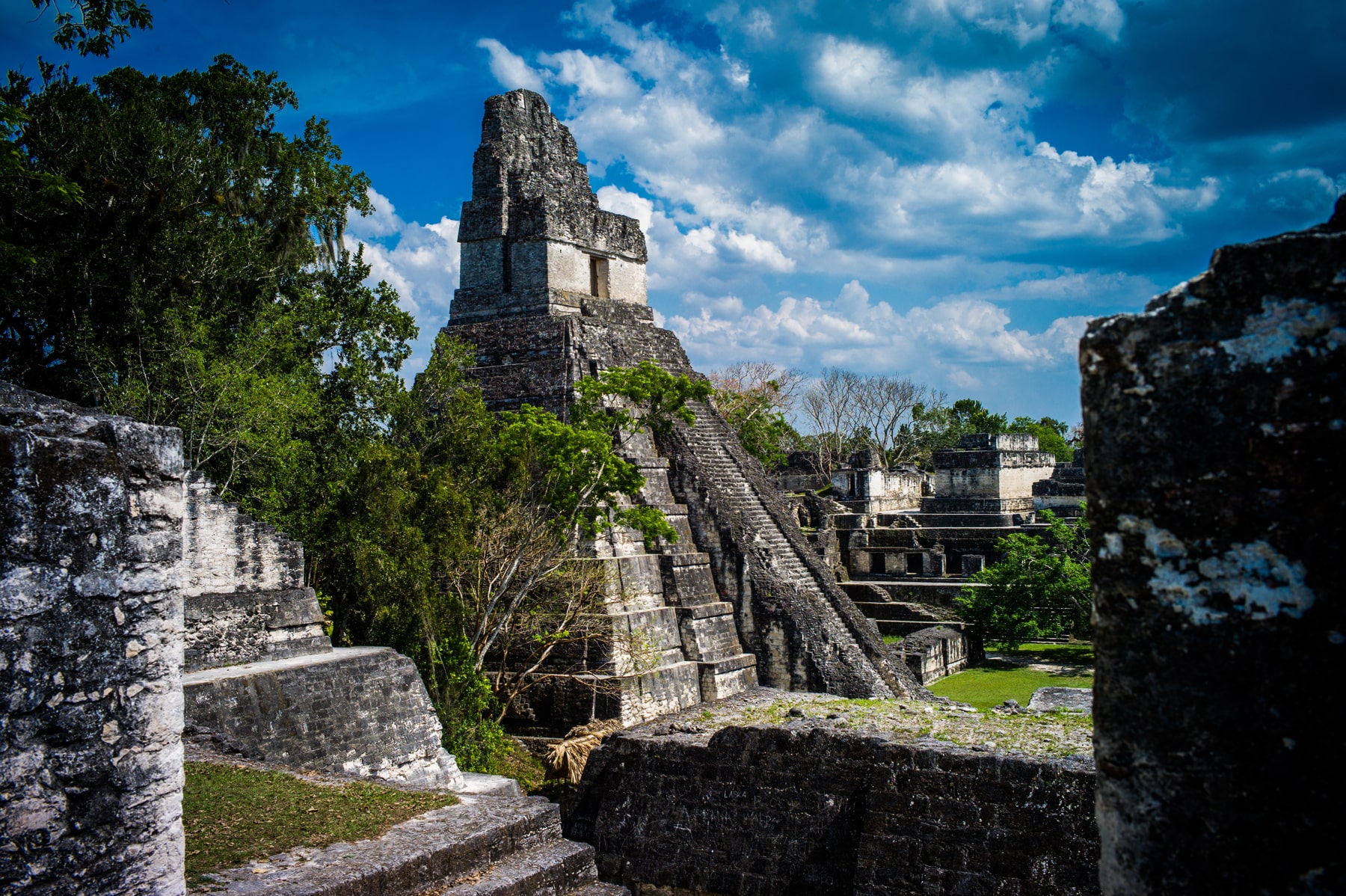
Guatemala
A country busting with colour
Guatemala is a country busting at the seams with a mix of colonial architecture, rich indigenous history and spectacular volcanic and tropical jungle scenery. On a bespoke SLA Guatemala holiday you'll be amazed at every turn.
Meander through the colourful local markets bartering with stall holders and getting lost in the piles of wares on sale. Get lost in the lively festivals or spontaneous live music that bursts onto the streets and plazas.
Antigua is a pretty colonial town perfect for people watching. Delve deep in the steamy rainforest to discover vast Mayan cities, hop on your bike to cycle around shimmering lakes and towering volcanoes or hike through indigenous villages and rolling countryside. Out of all the Latin American countries, this one has got to be one of our favourites.
From the word go we listen to what it is your looking for, whether its relaxation, activity or culture, and design a trip based around your brief. Our selected accommodation ranges from colonial mansions to yoga retreats set right on the lake so you can visit this country in comfort. Our local guides know the country inside out giving a more authentic Guatemalan experience.
Choose us for your tailor-made experience of a lifetime.
When to go:
It depends on where you plan to visit in the country. Generally it’s best to visit the country between November and June
All our tailor made Guatemala holidays are individually designed, but as a guide we can arrange a 12 day itinerary from £3,000 including flights.
Guides:
Antigua
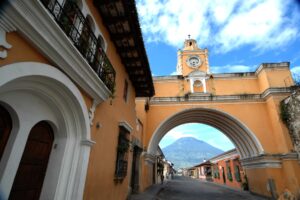
Spend a day exploring the cobblestone streets, tranquil central squares and enjoy stylish hotels, interesting shops and superb cuisine
Chichicastenango
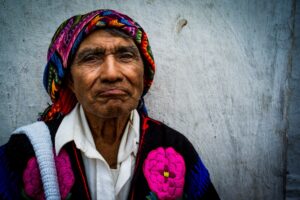
On market days Chichi comes alive with some of the 20,000 indigenious people that live in the surrounding hills who flock to the town to sell their wares
Lake Atitlan
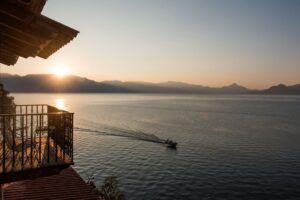
British novelist Aldous Huxley once called this lake “the most beautiful in the world”. Few can disagree
Tikal & Flores
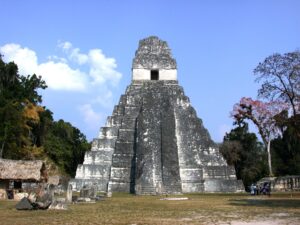
Like Indiana Jones explore deep within the dense rainforest to the magnificent archaeological site of Tikal dating back to 700 BC
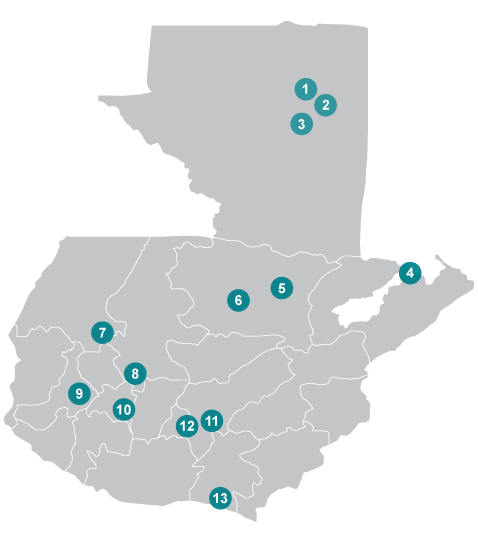
1. Tikal
2. Yaxha
3. Flores
4. Livingston
5. Lanquin/Semuc Champey
6. Cobán
7. Huehuetenango -
8. Chichicastenango
9. Quetzaltenango (Xela)
10. Lake Atitlán
11. Guatemala City
12. Antigua
13. Montericco